
The bone surrounding a dental implant is the foundation for it’s long-term success – just like the solid foundation of your beautiful home. Without good quality and quantity of bone, it is hard to achieve a predictable outcome during surgery. With bone grafting, we have an opportunity to promote new bone growth and replace bone where it is missing.
Before an implant is placed, it is critical to have the placement of your missing tooth pre-planned before surgery. If there is not enough bone, there are two options.
- Option one: place the implant in an area where there is more bone and have the tooth coming in a less ideal position
- Option two: graft the area where you want the implant to be and have the tooth coming in the most ideal position
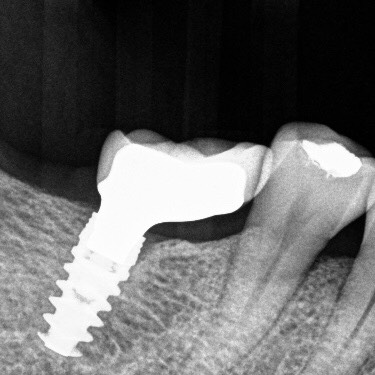
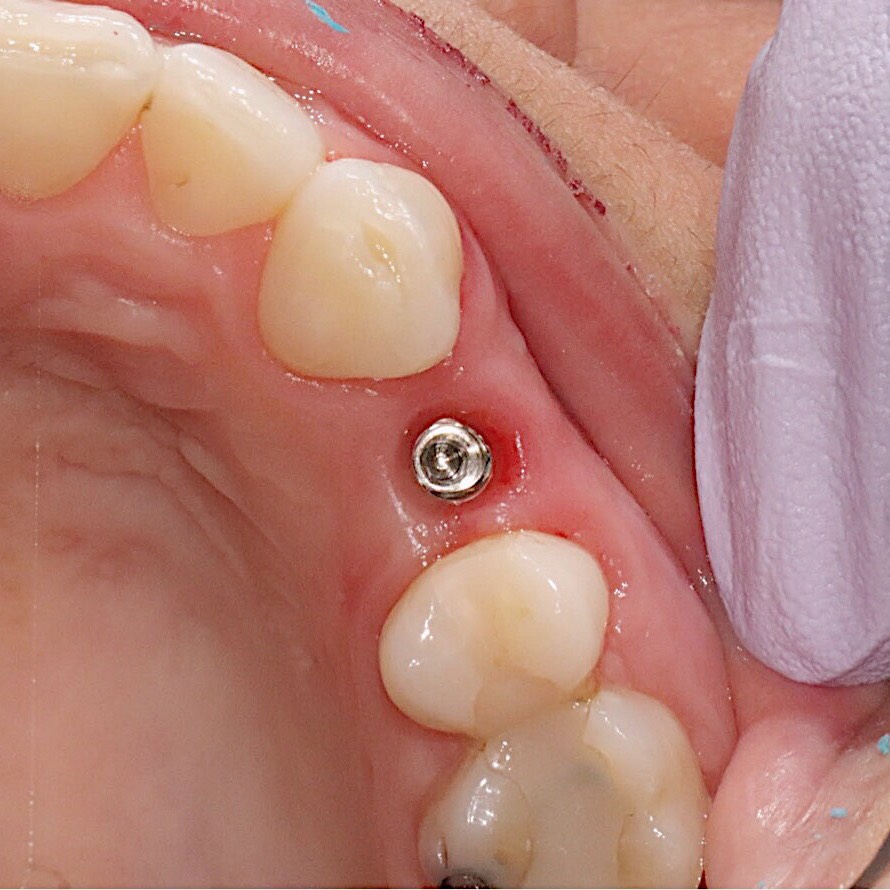
Option one will lead to an unpredictable outcome as the tooth will not be in the most ideal position in your mouth. This means that food will keep getting stuck around your implant leading to bleeding gums, chronic soreness and discomfort. Having these symptoms long term will lead to implant failure. The final aesthetic result is affected by where the implant is placed.
Not all dental implants are made equal. Predictable success comes from quantity and quality of bone, your immune system, and surgical skill. If we have a strong foundation for the implant and abundance of good bone, we will have greater success. Grafting is important in implant dentistry.
Where does this bone graft come from?
Bone graft may be harvested from you (the back of the mouth where your wisdom teeth are located, or chin), from a cadaver, or animal – usually a cow. The bone harvest that is used in dentistry is rigorously tested and sterilized to ensure it’s safety from a certified bone bank. These standards are imposed by the government to protect both you and I.
 Dental Surgery and Sedation