
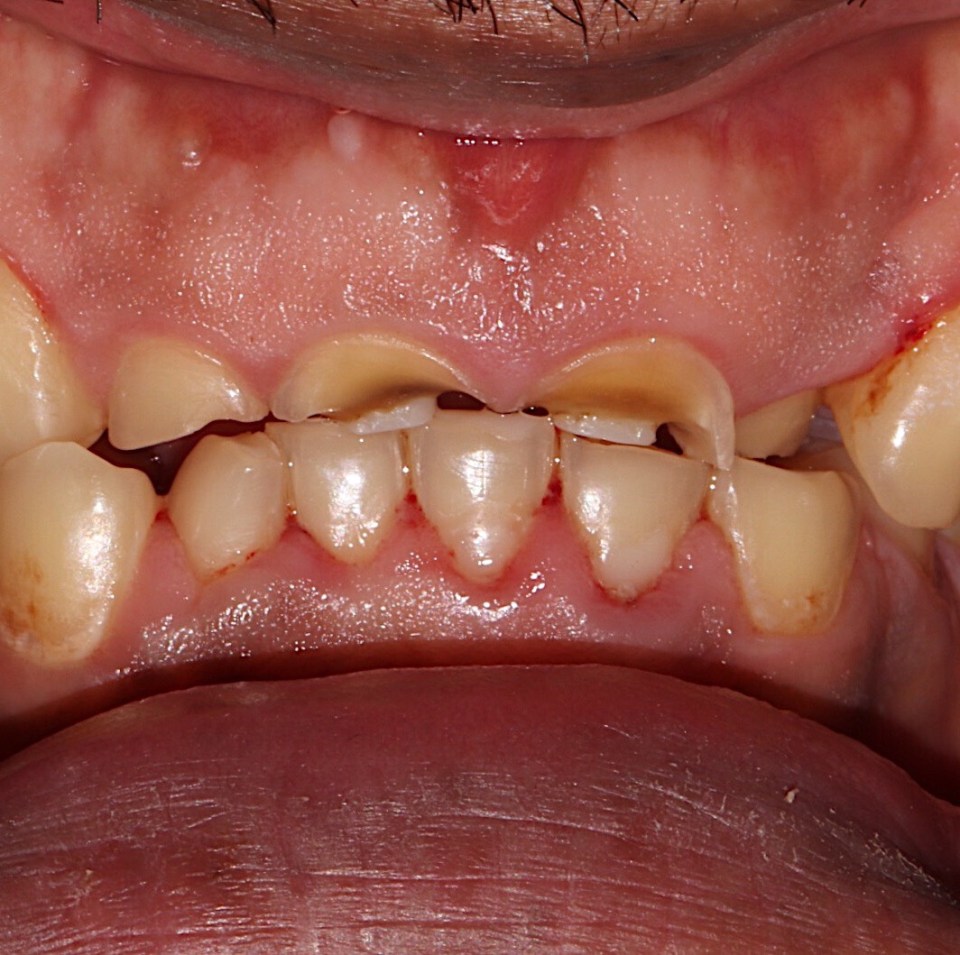
Gum disease, also known as periodontitis, is the inflammation of your gums and supporting tooth structures. Continuous inflammation overtime will cause boneloss, tooth mobility, gum recession, and ultimately in tooth loss. Gum disease is caused from the constant tug between the bacteria in your mouth and your immune system. There is a strong genetic component to this disease.
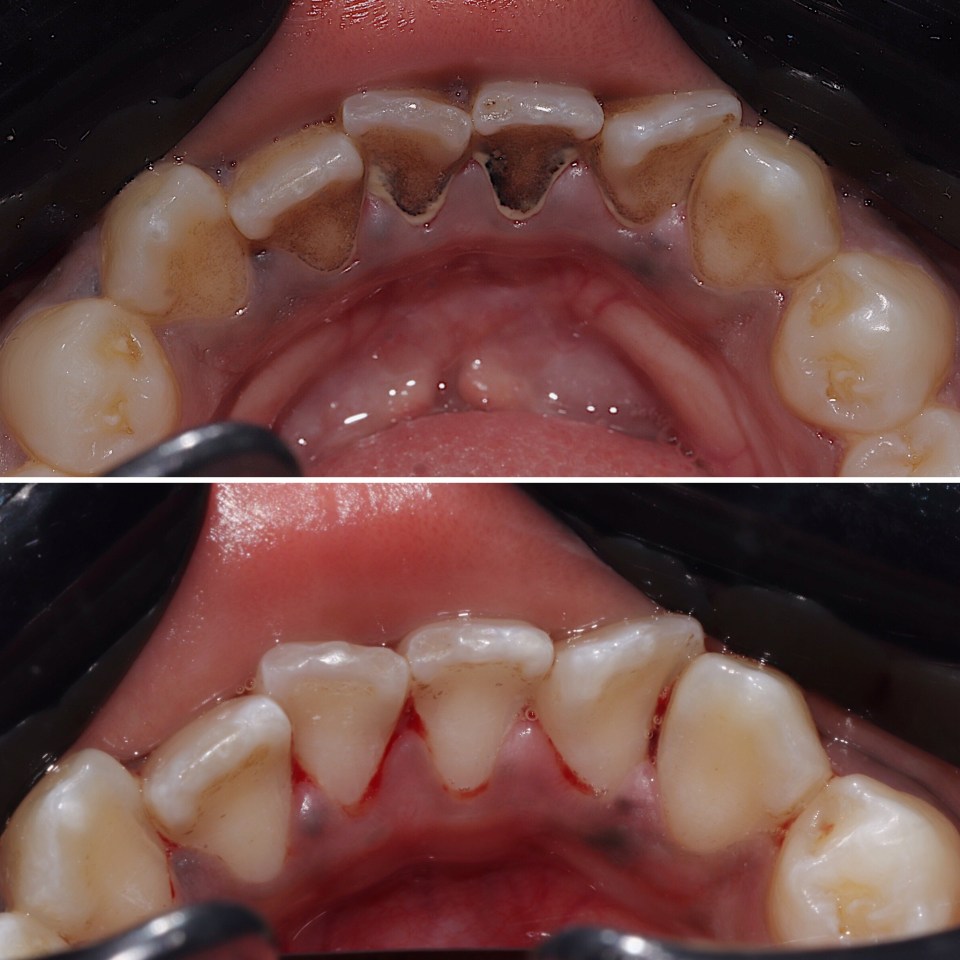
Gum disease presents itself in many ways. Initially, it is fairly asymptomatic. The gums may appear dark red in colour with minor swelling around the teeth – which may all appear normal to you. To touch, the gums may bleed and you may have sensitivity. Let me assure you that this is far from normal. A cleaning (or scaling and root planning) below the gum line is often the first step to treating gum disease. Why? Because a cleaning will disrupt the bacteria and microflora associated with periodontitis. A cleaning every 3 months is recommended as it takes 9 to 11 weeks for the bacteria to return to baseline levels.
Regular maintenance is extremely important as the bacteria comes back in a short period of time. If we can reduce the bacteria levels, we can allow your gums to heal and become healthy again. Typically, at this point, we will gradually increase your monthly interval to 4-6 months.
 Dental Surgery and Sedation